
Imagine the game of “Telephone,” where a message gets increasingly distorted as it’s passed from person to person. This analogy highlights a vital issue in estate planning. While many focus on financial wealth, such as setting up Trusts, Wills, and designating beneficiaries, there’s another critical aspect often overlooked: the transfer of non-financial wealth. This includes an individual’s hopes, dreams, life philosophies, and experiences – the core of who they are, their legacy.
The problem with passing these intangible assets through word of mouth, much like in the game of Telephone, is that they are prone to distortion, especially in the emotionally charged atmosphere following someone’s death. For instance, managing financial assets based solely on verbal instructions would be impractical and unreliable.

To address this, a more holistic approach, known as “Legacy Wealth Planning,” has been developed. This method encompasses not just the financial aspect but also focuses on the formalization and documentation of non-financial wealth. It ensures that an individual’s experiences, aspirations, principles, and life philosophies are accurately preserved and passed down.
The concept is straightforward: don’t leave the transfer of your most cherished, non-material assets to chance. Just as with financial assets, these intangible elements of one’s legacy should be meticulously planned and documented. Consulting a qualified Legacy Wealth Planning attorney is recommended to ensure that every aspect of one’s wealth, both tangible and intangible, is effectively preserved and conveyed to future generations. This comprehensive approach to estate planning ensures the complete legacy of an individual is accurately maintained and cherished.
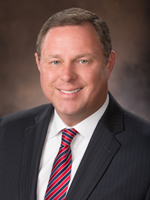
From the desk of Attorney Brandon McGee, McGee Law Firm
- Lessons Learned From These Celebrity Estate Planning Mistakes - September 30, 2026
- Your Long-Term Care Solution: Medicaid Crisis Planning - September 23, 2026
- Choosing the Right Executor or Trustee: Key Considerations - September 16, 2026