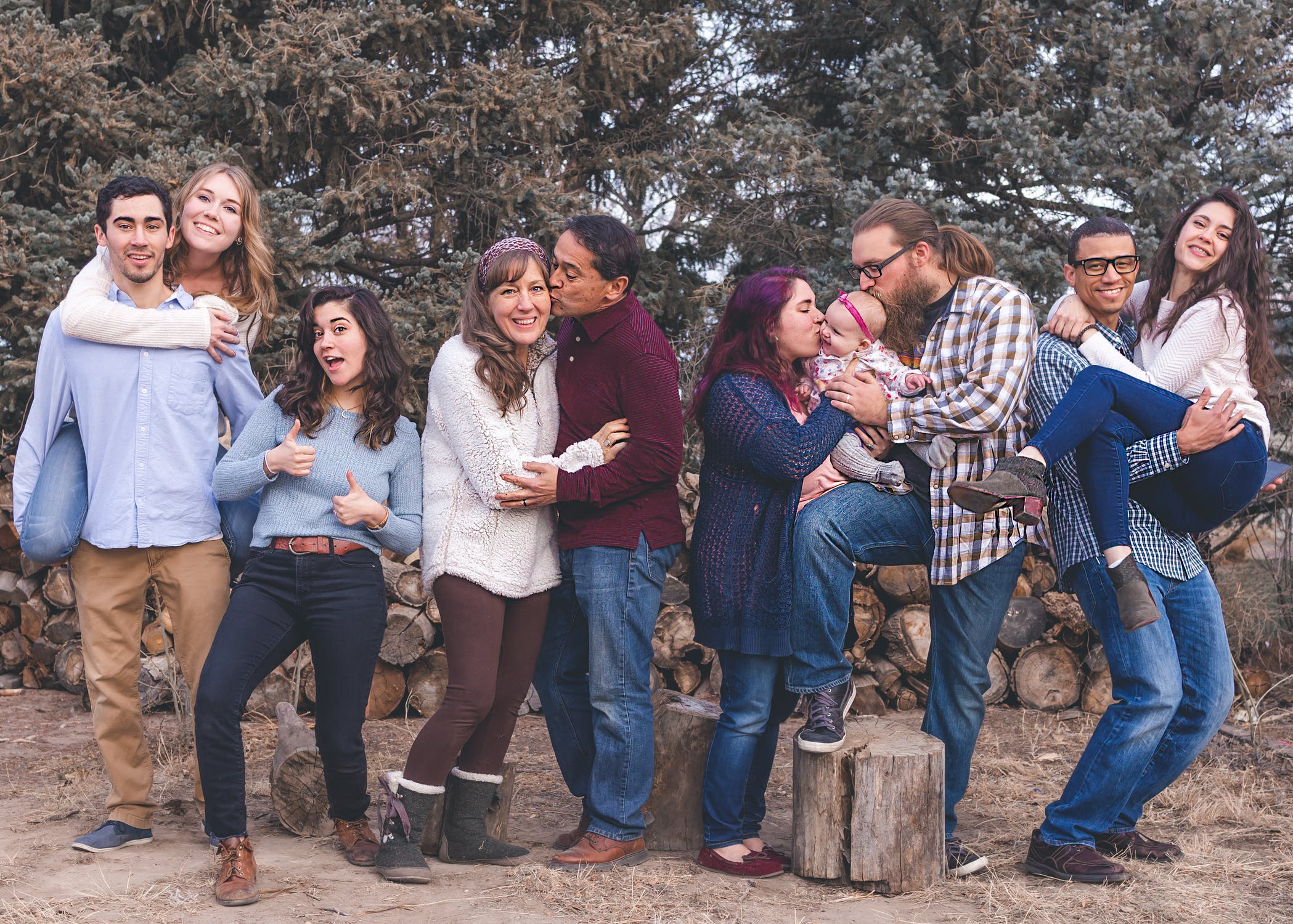
 Blended families are incredibly common today, and they come in many forms. You might be raising children from a previous relationship. Your spouse might have kids from their earlier marriage. Maybe both of you brought children into the household.
These relationships add richness to family life, yet they also introduce some unique questions when it comes to inheritance planning.
Estate planning already carries emotional weight, but blended family dynamics can make those decisions even more sensitive. When you start thinking about what should happen to your property one day, you quickly realize that fairness and clarity matter a great deal.
Small misunderstandings can turn into large disagreements. With a little planning, you can avoid most of those issues.
Every Blended Family Brings Its Own Story
No two blended families look alike. Some parents share close relationships with stepchildren. Others prefer to keep financial and parenting roles separate. Some children feel deeply bonded to their stepparent. Others remain connected primarily to their biological parent.
Because every situation is different, no single inheritance plan works for everyone.
Your own family history plays a big role in how you think about property. Maybe you raised your stepchildren from a young age and want to treat them the same as your biological children.
On the other side of the coin, you might want certain heirlooms or assets to stay within your side of the family. These are deeply personal decisions.
Talking openly with your spouse about expectations can make the planning process smoother. Many couples find that their ideas about inheritance differ more than they imagined. Once both of you understand each other’s goals, you can build a plan that respects everyone involved.
Children From Previous Relationships Add Complexity
Things often become complicated when each spouse has children from a previous relationship.
Without a plan, state law chooses who inherits. In many cases, those rules leave a surviving spouse with significant control over the entire estate, even if the first spouse had children from a prior marriage. That may or may not match what you want.
For example, some people worry that leaving everything directly to their spouse means their own children might eventually receive nothing. If the surviving spouse remarries or changes their estate plan, stepchildren can be unintentionally disinherited.
This doesn’t necessarily happen because of bad intentions. It can happen simply because life changes and plans evolve.
QTIP Trust
A clear estate plan prevents this outcome. You can separate assets into different “buckets” to protect each child’s inheritance. In addition, you can identify which property should support your spouse during their lifetime and which property should pass to your children later.
This can be done through the utilization of a qualified terminable interest property (QTIP) trust. With this approach, if you predecease your spouse, they can receive distributions of the earnings that are generated by assets held by the trust. They can also use property owned by the trust.
With this arrangement, the surviving spouse is set for life, but they cannot change the terms of the trust or access the principal. After their passing, your children would inherit the assets that remain in the trust.
Fairness Doesn’t Always Mean Equal
Parents often think about fairness when deciding how to divide property. In blended families, “fair” can look different depending on relationships, age differences, financial needs, and past support. Treating everyone equally sometimes makes sense, but not always.
Some children receive more support during life, such as help with college or a home purchase. Other children may need more help later, especially if they’re younger or facing challenges.
Stepchildren may have other financial support from their biological parent, so you might choose a different approach for them. Fairness becomes a broader idea, not just a math equation.
Estate planning offers tools to balance these considerations. You can give certain gifts directly to children, or you can use trusts to hold and distribute assets over time. Distributions can be based on milestones such as education, caregiving responsibilities, or long-term financial need.
Communication Can Prevent Heartache
Blended family members often worry about being treated differently. That makes communication important.
There is no need to share every detail, but providing a general outline of your intentions can reduce future tension. When people know that decisions were thoughtful, they are less likely to feel hurt or surprised.
You can also clarify your wishes through written instructions. Letters of intent, beneficiary statements, and organized records help your family understand why you made certain choices.
Even if you prefer not to hold a large family meeting, giving your spouse or children a sense of your goals can ease many concerns. Silence leaves room for assumptions, and assumptions often turn into conflict.
Professional Guidance Helps Avoid Problems
Blended families face more potential pitfalls than traditional nuclear families. That’s why professional advice is so helpful.
An attorney can explain how state inheritance laws work, how to structure gifts for stepchildren, and how to protect each beneficiary’s long-term interests. They can also help you avoid mistakes that might accidentally disinherit someone you care about.
Many couples say they feel more at ease once they understand their options. Planning doesn’t remove emotional complexity, but it gives you tools to manage it. When everything is written clearly and intentionally, your family benefits from certainty and stability.
Thoughtful Planning Brings Peace of Mind
Blended families are loving, resilient, and beautifully diverse. With thoughtful planning, you can support every member of your family without creating unnecessary conflict.
Taking time to understand your goals, talk openly, and create a solid estate plan gives you confidence that your wishes will be honored. More importantly, it keeps your loved ones protected long after you’re gone.
Let’s Get Started!
This post demonstrates the fact that there are targeted solutions that can be implemented when you plan your estate. The ideal course of action will depend on the circumstances, so personalized attention is key, and this is what you will receive from our firm.
To get started, call our Southlake, TX estate planning office at 817-899-3286 or send us a message through our contact page.

- Lessons Learned From These Celebrity Estate Planning Mistakes - September 30, 2026
- Your Long-Term Care Solution: Medicaid Crisis Planning - September 23, 2026
- Choosing the Right Executor or Trustee: Key Considerations - September 16, 2026